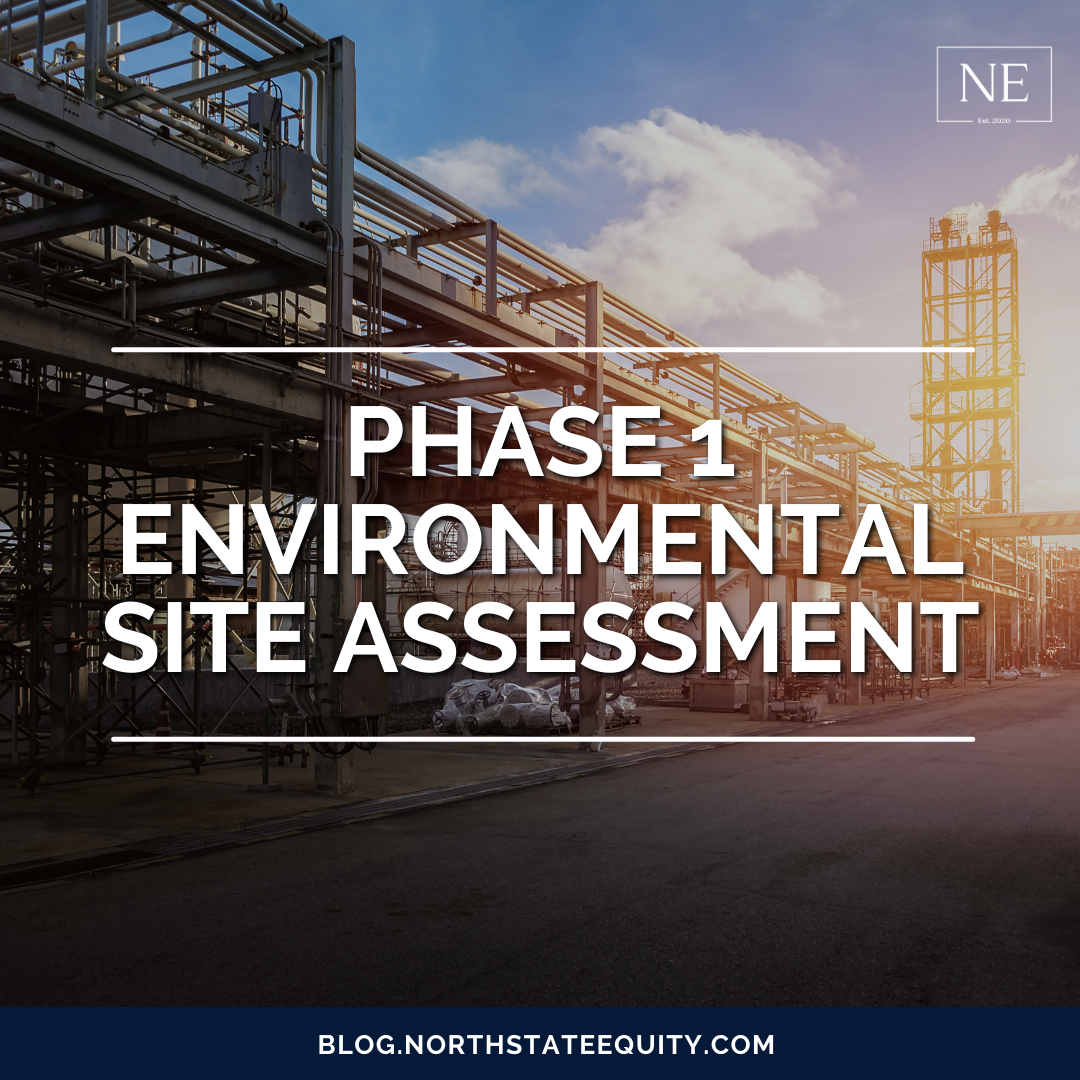
What is a Phase 1 Environmental Site Assessment?
Benefits of a Phase 1 Environmental Site Assessment for the Buyer?
When Should You Get a Phase 1 Environmental Site Assessment?
Example of a Phase 1 Environmental Site Assessment:
As a real estate investor, your due diligence period before purchasing a property can make or break a deal. When investing in commercial real estate, one critical step in that process is obtaining a phase 1 environmental site assessment. In this blog, we will explore what a phase 1 environmental site assessment is and everything you need to know about them.
What is a Phase 1 Environmental Site Assessment?
A phase 1 environmental site assessment is an assessment of the environmental conditions of a property. When purchasing commercial real estate, buyers often require these assessments as a crucial component of due diligence, which lenders and insurance companies often demand.
What’s the difference between due diligence and earnest money deposits in NC?
The report is conducted by a qualified environmental professional who performs a site visit to assess the property’s current and historical use, environmental conditions, and any potential environmental liabilities. The report typically includes a review of public records, interviews with current and former property owners, and an inspection of the site and surrounding area.
How Does it Work?
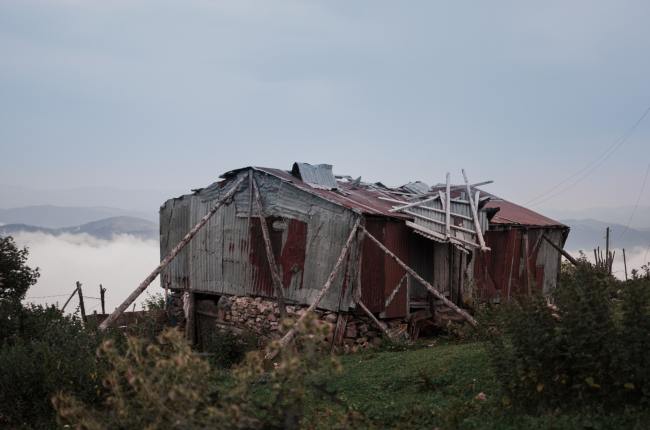
The purpose of a phase 1 report is to identify potential environmental risks and liabilities associated with a property. The report assesses the property’s environmental conditions by reviewing historical and current land use, hazardous materials, and waste disposal activities.
The report will typically identify any environmental issues that could potentially impact the property’s value or create liabilities for the buyer. If the report identifies potential issues, the buyer may choose to proceed with a Phase 2 Environmental Assessment, which includes further testing and analysis.
Once the report is complete, the buyer can make an informed decision about whether to proceed with the purchase and negotiate any necessary terms or contingencies in the sales contract.
Benefits of a Phase 1 Environmental Site Assessment for the Buyer?
A phase 1 environmental report provides several benefits to the buyer, including:
Identifying potential environmental liabilities: By conducting a thorough assessment of the property’s environmental conditions, a phase 1 environmental site assessment can identify potential environmental liabilities that could impact the property’s value or create liabilities for the buyer.
Mitigating financial risk: A buyer who is unaware of potential environmental liabilities could be faced with costly cleanup costs or legal fees down the road. By conducting a site assessment, the buyer can mitigate financial risk by identifying any potential environmental liabilities before purchasing the property.
Compliance with regulatory requirements: Depending on the property’s location and intended use, there may be regulatory requirements. A phase 1 environmental site assessment can help ensure compliance with any applicable regulations, avoiding potential fines and penalties.
When Should You Get a Phase 1 Environmental Site Assessment?

There’s no definitive list of property types that require a phase 1 report, as the decision to order one depends on a combination of factors. These factors can include the property’s historical use and the nature of neighboring properties. However, these are some property types that commonly require a phase 1 environmental site assessment:
- Industrial facilities, including manufacturing plants, warehouses, and distribution centers
- Gas stations and other fuel storage facilities
- Dry cleaners and other businesses that use or store hazardous chemicals
- Former agricultural land or properties with a history of pesticide or herbicide use
- Landfills and waste disposal sites
- Properties located near current or former industrial sites or landfills
- Properties located near transportation corridors, such as highways or rail lines, where spills or leaks can occur.
It is recommended that a phase 1 environmental report be obtained early in the due diligence process, ideally during the initial property assessment period. This allows the buyer to identify any potential environmental issues early in the process and determine if further assessment is necessary.
In some cases, lenders or insurance companies may require a phase 1 environmental site assessment before providing financing or insurance coverage.
Example of a Phase 1 Environmental Site Assessment:
Let’s say a real estate investor is considering purchasing a former industrial site to convert into a mixed-use commercial and residential development. Before moving forward with the purchase, the investor hires an environmental professional to conduct a phase 1 environmental site assessment.
During the assessment, the environmental professional discovers that the site was used for manufacturing and chemical storage in the past. There is also evidence of previous spills and leaks, and neighboring properties have reported groundwater contamination.
Based on the findings of the report, the investor decides to move forward with a Phase 2 Environmental Assessment to further assess the extent of any contamination and the potential remediation costs. The investor is ultimately able to negotiate a lower purchase price and contingencies in the sales contract to address the identified environmental issues.
Final Thoughts
In conclusion, a phase 1 environmental site assessment is a crucial component of due diligence when purchasing commercial real estate. By identifying potential environmental liabilities and compliance requirements, the report can mitigate financial risk, ensure regulatory compliance, and provide negotiating leverage for the buyer. Real estate investors should always consider including a phase 1 environmental site assessment in their due diligence process before purchasing a property.
Leave a Reply