
5 Ways You Can Use AI in Real Estate
With artificial intelligence (AI) models, such as ChatGPT, being all the rave now, many are wondering what impact they will have on the real estate industry. As this technology continues to evolve, the real estate industry is also experiencing changes that have created new opportunities for real estate investors. One of the most significant changes that have taken place in recent years is the emergence of AI in real estate. With large language models like ChatGPT, investors can leverage the technology to improve their efficiency and make more informed decisions. In this blog, we’ll explore five ways real estate investors can use ChatGPT to make their businesses more efficient and effective.
How ChatGPT Works
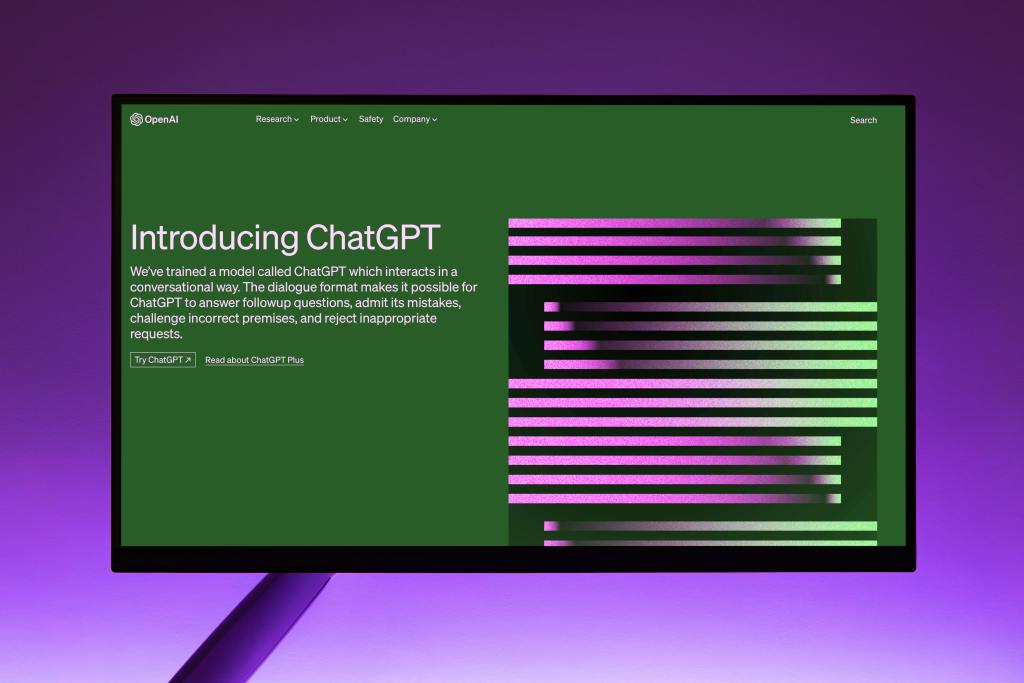
ChatGPT is a large language model that was developed by OpenAI. It is based on the GPT-3.5 architecture, which means it is a state-of-the-art artificial intelligence model with advanced capabilities. The model has been trained on a vast amount of text data, including books, articles, and websites, which allows it to understand natural language and generate text that is coherent and relevant to the given context.
When using ChatGPT, real estate investors can provide the model with specific prompts or questions, and the model will generate a response based on its understanding of the input. For example, a potential prompt that an investor could ask ChatGPT to leverage AI in real estate could be: “What are the average sale price and sale time for homes in the Alamance County market of North Carolina.” The model will then generate a response with relevant data and insights.
The model can also be fine-tuned on specific data sets to improve its accuracy and relevance to a particular domain. This means that real estate investors can customize the model to provide more accurate and relevant insights for their specific needs.
Interested in other emerging technology within real estate? Check out our blog on Blockchain in Real Estate!
5 Ways You Can Use AI In Real Estate
Market Research
Market research is one of the most critical aspects of real estate investing. Real estate investors need to gather insights and data on various markets to make informed decisions. This helps them know which areas to invest in, the type of properties to acquire, and the expected returns on investment. With ChatGPT, real estate investors can use AI in real estate to conduct market research by providing the model with relevant information. By doing so, they can receive valuable information on market trends, property values, and competition in a specific area. This information can help investors make informed decisions on where to make their real estate investments and how to maximize their returns.
Predictive Analysis
Predictive analysis is another valuable tool that real estate investors can leverage from ChatGPT. By feeding historical data on property prices, ChatGPT can give predictions on the future prices of properties in a specific market. With this information, AI in real estate enables investors to make informed decisions on whether to invest in a particular market or hold off for better opportunities. Predictive analysis also helps investors to manage their portfolios and make informed decisions on when to sell properties.
Do you need to sell your home fast in Greensboro, North Carolina? Read this blog to learn how!
Social Media Content Creation
Social media marketing is an essential aspect of business and real estate investing is no exception. Creating engaging content on social media is crucial for investors to attract potential buyers and sellers. However, content creation can be time-consuming and challenging. ChatGPT and AI in real estate allows investors to create high-quality content that is optimized for social media platforms. This streamlines the content creation process, ensuring investors have a steady stream of engaging content to share with their audiences.
Property Management
Managing properties is one of the most challenging aspects of real estate investing. Investors need to keep track of maintenance costs, occupancy rates, and tenant satisfaction to ensure that their properties are well-maintained and profitable. ChatGPT and AI in real estate also gives investors the ability to analyze different data points. This enables them to make informed decisions on how to make their property management more cost-effective and manage their properties with higher efficiency. ChatGPT can also suggest when repairs will be needed, reducing the risk of costly repairs and improving the overall effectiveness of property management.
Read our blog on PropTech trends to learn more about the intersections of tech and real estate!
Drafting Legal Documents
Real estate investors often need to create legal documents such as lease agreements, purchase contracts, and property management agreements. These documents can be time consuming to draft, and small errors can lead to costly legal disputes. ChatGPT and AI in real estate can quickly generate these documents. Investors can input the necessary information and receive a customized legal document that is relevant to their specific needs. ChatGPT can also provide suggestions to ensure that the document is legally compliant and adequately protects the investor’s interests. Additionally, reports have recently indicated that the ChatGPT language model passed the bar exam.
It is essential to note that while ChatGPT can generate legal documents, it is not a substitute for legal advice. To ensure that legal documents are legally enforceable and protect the investor’s interests, one must execute them correctly. Investors should always consult with an attorney before executing any contract that ChatGPT creates. Attorneys can provide legal advice on the document’s content, identify any potential legal issues, and ensure that the document complies with local laws and regulations.
Limitations of ChatGPT

While ChatGPT is a powerful tool, it also has limitations that real estate investors should be aware of:
- The model is only as good as the data it has been trained on. If you do not train ChatGPT on specific data sets or provide it with accurate and unbiased data when using AI in real estate, it may generate irrelevant or incorrect responses.
- The model may not be able to provide accurate insights into every single aspect of real estate investing. AI in real estate can provide data and insights on market trends, property values, and investment returns. But, ChatGPT may not be able to provide insights on other critical factors, such as the local regulatory environment, which can significantly impact real estate investments.
- ChatGPT is not a substitute for human expertise and judgment. While AI in real estate can help you run your real estate business more efficiently, real estate investors still need to exercise their judgment and experience to make informed decisions that align with their investment goals and risk tolerance.
Bottom Line
ChatGPT is a valuable tool for real estate investors looking to make their businesses more productive. By utilizing AI in real estate, investors can conduct market research, perform predictive analysis, create engaging social media content, manage their properties, and draft legal documents. These tools and insights help investors make informed decisions, reduce risks, and maximize their returns. As AI in real estate continues to evolve, the technology will play an increasingly important role in the real estate industry, and investors who embrace it will have a significant advantage over their competitors.
Leave a Reply