As we prioritize sustainability in our daily lives, homeowners are seeking more ways to reduce their environmental footprint through home improvements. Sustainable home improvements not only promote eco-conscious living but also offer long-term cost savings and enhanced comfort. Here are some ways you can make sustainable home improvements now to help create an energy-efficient and environmentally friendly living space.
Energy-Efficient Lighting
Illuminate your home responsibly. When it comes to sustainable lighting, switching from traditional incandescent bulbs to energy-efficient alternatives such as LED or CFL bulbs can make a substantial difference. For instance, LED bulbs consume up to 75% less energy and last 25 times longer than incandescent bulbs (U.S. Department of Energy). By replacing just five traditional bulbs with LED equivalents, you can save around $75 annually in energy costs while reducing your carbon emissions by over 400 pounds (Energy Star)
Smart Thermostats
Optimize your home’s heating and cooling. Installing a programmable or smart thermostat is a smart move for energy efficiency. The Nest Learning Thermostat, for example, learns your preferences and automatically adjusts the temperature based on your habits. According to Nest, users save an average of 10-12% on heating bills and 15% on cooling bills. By utilizing this technology in your home you can optimize your home’s temperature at any moment from anywhere, reduce energy waste, and save money in the process.
Insulation Upgrades
A barrier against energy loss. Upgrading your home’s insulation can have a significant impact on reducing energy consumption. By improving insulation in your attic, walls, and floors, you can minimize heat transfer and maintain a comfortable indoor temperature year-round. For instance, insulating your attic properly can reduce energy loss by up to 30% (U.S. Department of Energy). Sustainable insulation materials like cellulose or recycled denim will enhance your energy efficiency while making environmentally friendly choices.
Did you know that weatherizing your home can save you a lot of money? See how today!
Water Conservation
Preserve water, protect the planet. Implementing water-saving fixtures is crucial for sustainable living. Consider installing low-flow shower-heads, faucets, and toilets, which can reduce water usage by up to 50% without sacrificing performance. The WaterSense labeled Delta In2ition shower-head offers a flow rate of 1.75 gallon per minute, providing a luxurious shower experience while conserving water (Delta Faucet). Additionally, incorporating rainwater harvesting systems, such as the RainWater Terrace, allows you to collect and reuse rainwater for outdoor activities, reducing strain on municipal water resources.
Renewable Energy Sources
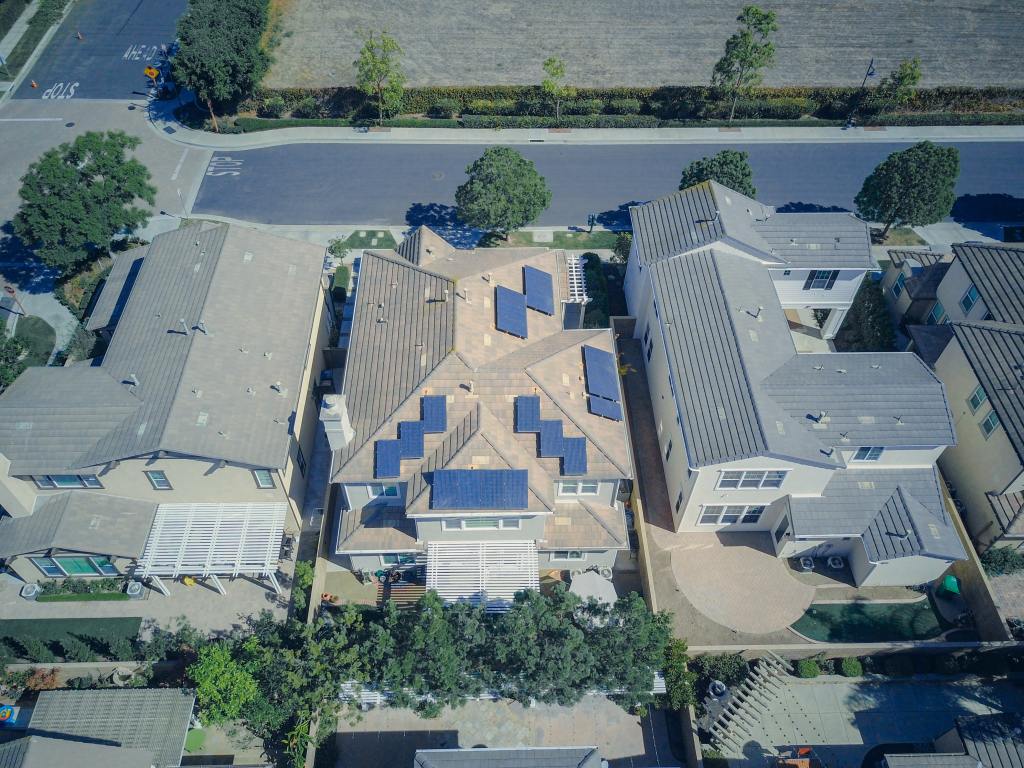
Harness the power of the sun. Installing solar panels on your roof is a major step towards reducing your environmental footprint. SunPower solar panels, known for their high efficiency and durability, can generate clean electricity for your home without increasing greenhouse gas emissions. An average system will offset 80-100% of a household’s electricity consumption, mitigating your reliance on fossil fuels to combat climate change. Furthermore, installing solar panels can lead to long-term savings, with homeowners ofter recouping their investment within 5-7 years (SunPower).
Efficient Appliances
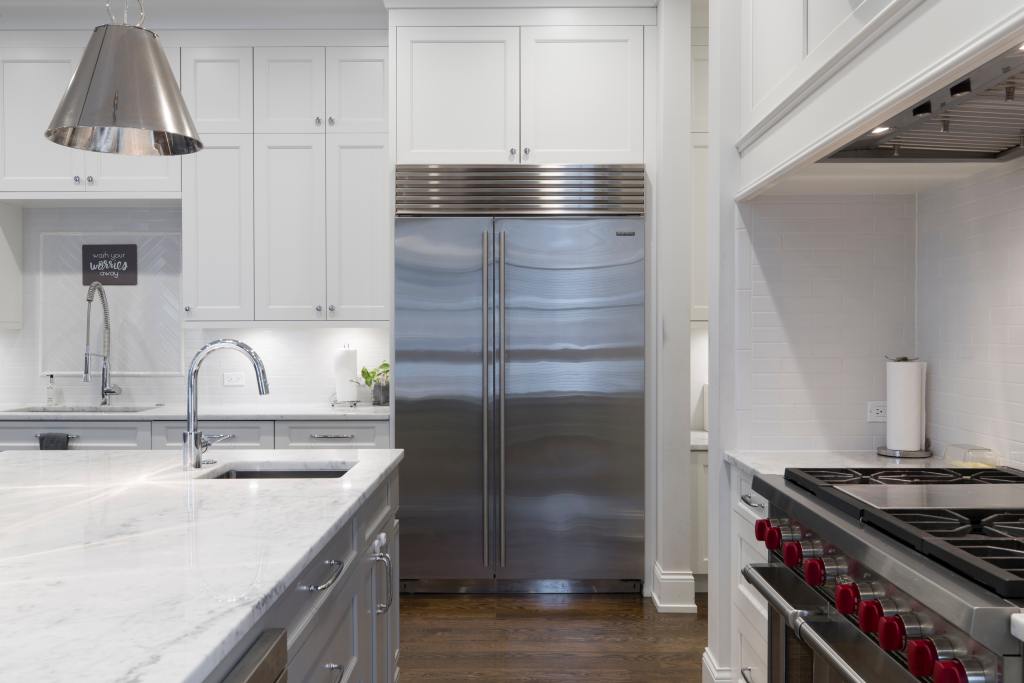
Powering your home responsibly. When upgrading your appliances, opt for Energy Star-certified models that meet stringent energy efficiency standards. For instance, the Energy Star-rated LG refrigerator consumes 15% less energy than non-certified models, resulting in both environmental and financial benefits (Energy Star). Choosing energy-efficient appliances across the board will reduce your personal carbon footprint while benefitting from long-term savings on your utility bills.
Sustainable Materials
Integrating sustainable materials into your home improvements can be both environmentally responsible and aesthetically pleasing. Bamboo flooring, a rapidly renewable resources, or reclaimed wood for furniture are two environmentally studious options. These materials not only reduce reforestation but also add a unique touch to your home. Look for certifications such as Forest Stewardship Council (FSC) or Cradle to Cradle (C2C) to ensure the sustainability and ethical sourcing and harvesting of materials.
Take Action Now
The environment that supports all life on Earth demands respect in return. Sustainable home improvements are a more individualized way to show this respect while fostering environmental and economic benefits. We asked Jonathan Culpepper, a sustainable building science expert, about his opinion:
“By providing sustainable home improvements you are not only receiving economic benefits, but also improving the health of your home and your own personal body. By reducing the amount of leakage, whether it be air or moisture, you are drastically cutting back on your utility bills due to the fact that you will spend less on bills. Retaining more conditioned air from your HVAC system and requiring it to work less, you are saving money and have a more comfortable home. Lastly, making improvements such as these reduce the load on the grind in turn helping to decarbonize the built environment” - Jonathan Culpepper
Leave a Reply